Written in Naples, by people who live here. No brochure, no scare stories.
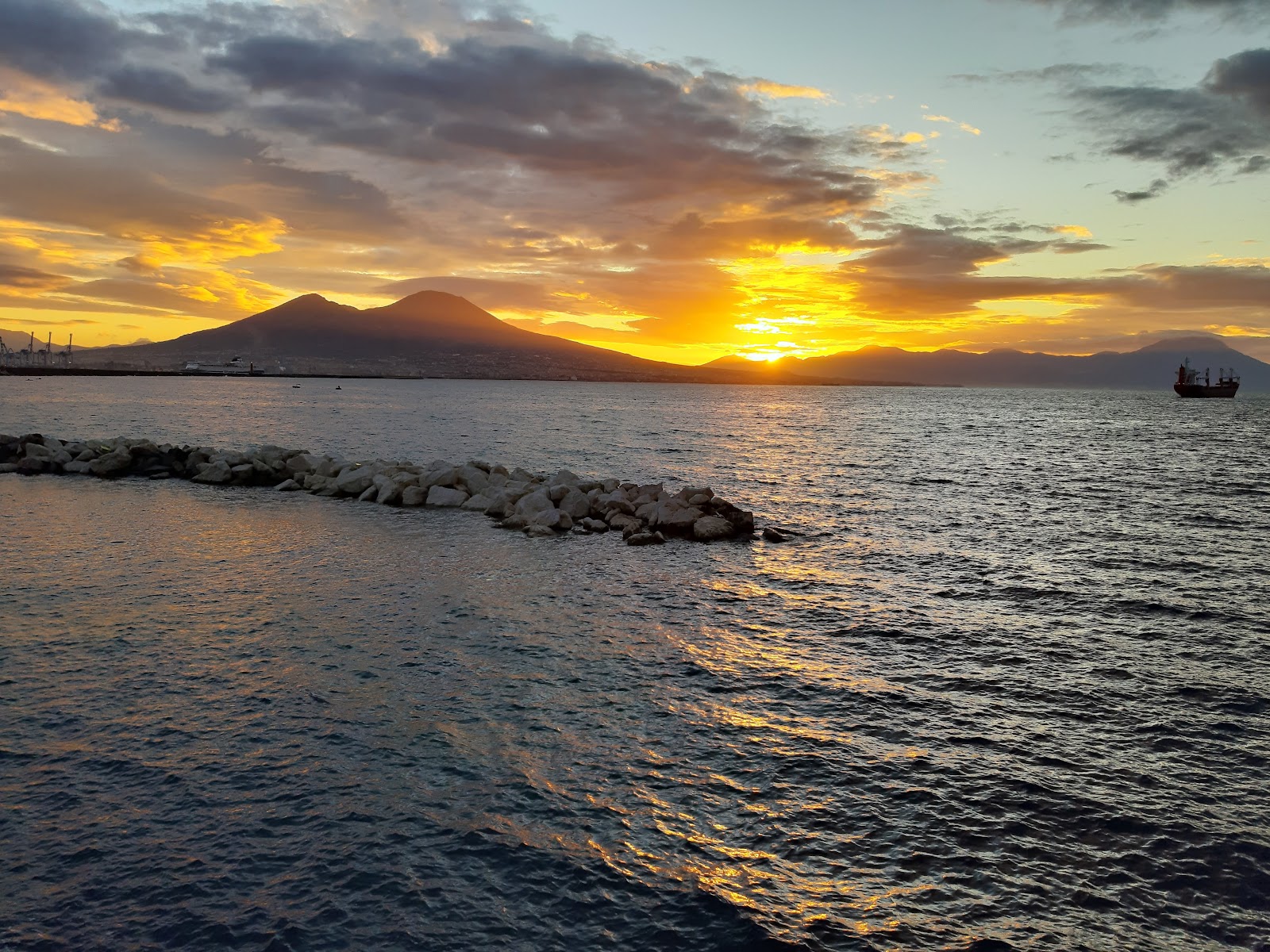
Most guides to Naples fall into one of two traps. Either they sell you a postcard — sun, pizza, warm people, nothing else — or they warn you about a city that doesn't exist, one you should apparently visit wearing a money belt and a helmet. Neither is any use when you're actually standing in Piazza Garibaldi at nine in the evening with a suitcase.
This section is small on purpose. It only covers what a visitor genuinely needs, and every page says the uncomfortable part too.
Naples in a day — one route, on foot, and the four things you must accept you will not do.
A weekend in Naples — forty-eight hours with a shape instead of a checklist.
Getting around — three metro lines, four funiculars, and the ticket mistake that gets people fined.
Where to stay — six neighbourhoods, each with who it suits and what is wrong with it.
Is Naples safe? — the question everyone asks and almost nobody answers properly.
Naples for free — an unusually long list, because most of the best things here have no ticket.
Naples with kids — tunnels, a volcano, a castle on an island, and the practical problems nobody warns you about.
Underground Naples — Greek quarries, a Roman aqueduct, wartime shelters and a tunnel full of abandoned cars.
Street food — what to eat standing up, and why almost all of it was invented out of necessity.
Pizza — how to tell a real Neapolitan pizzeria from one built for tourists.
Pompeii or Herculaneum — not the same day out, and choosing wrong wastes one.
Capri, Ischia or Procida — three islands, three completely different days.
A city founded by Greeks around 2,500 years ago, capital of its own kingdom for nearly six centuries, and for a long stretch of the 1600s and 1700s one of the largest cities in Europe — a compulsory stop on the Grand Tour, and the place that supplied composers to half the continent.
It stopped being a capital in 1860, and a capital that stops being one loses its court, its administration and its role within a few years. What it kept is the layers: a Greek street grid you can still walk, a Roman aqueduct forty metres down, Baroque churches built on top of both, and 2,500 years of people never once leaving.
Walk. The historic centre crosses end to end in about twenty minutes on foot, and in those twenty minutes you will see more than any tour bus can show you. Use the metro for the long jumps — Vomero, Fuorigrotta, the station — and your feet for everything else.
And don't try to see it all. Naples punishes checklists and rewards people who sit down.
The Italian version is much larger: hundreds of places with addresses and opening hours, guides to every neighbourhood, and long-form writing on the city's history, legends, language and trades.
These English pages are translated by hand, not by machine, which is why there are few of them and why more will be added slowly.
This guide is written and maintained in Naples. The Italian version of the site has far more: hundreds of places, neighbourhood guides and long-form stories about the city. Read it in Italian.