Distances in Naples are short but the neighbourhoods are different worlds. Choosing badly changes the whole trip.
Staying in Chiaia and staying in the Quartieri Spagnoli are two different holidays, not two different addresses. Here is each area with the part the listings don't mention.
Suits: people who came for the city, walk a lot, and don't need quiet.
You wake up inside the ancient street grid with everything on foot: the Duomo, San Gregorio Armeno, the Archaeological Museum, the Sansevero Chapel. Almost entirely small B&Bs in the piano nobile of old buildings.
The downside: noise until late, steep stairs, often no lift, and a car is essentially impossible.
Suits: people who want Naples without the noise of Naples, and will pay for it.
Wide streets, nineteenth-century buildings, the sea nearby, and the best bars in the city. It's the only area with a real supply of proper hotels rather than B&Bs.
The downside: the most expensive part of town, and the historic centre is a twenty-minute walk away.
Suits: people who want the best location in the city at the lowest price.
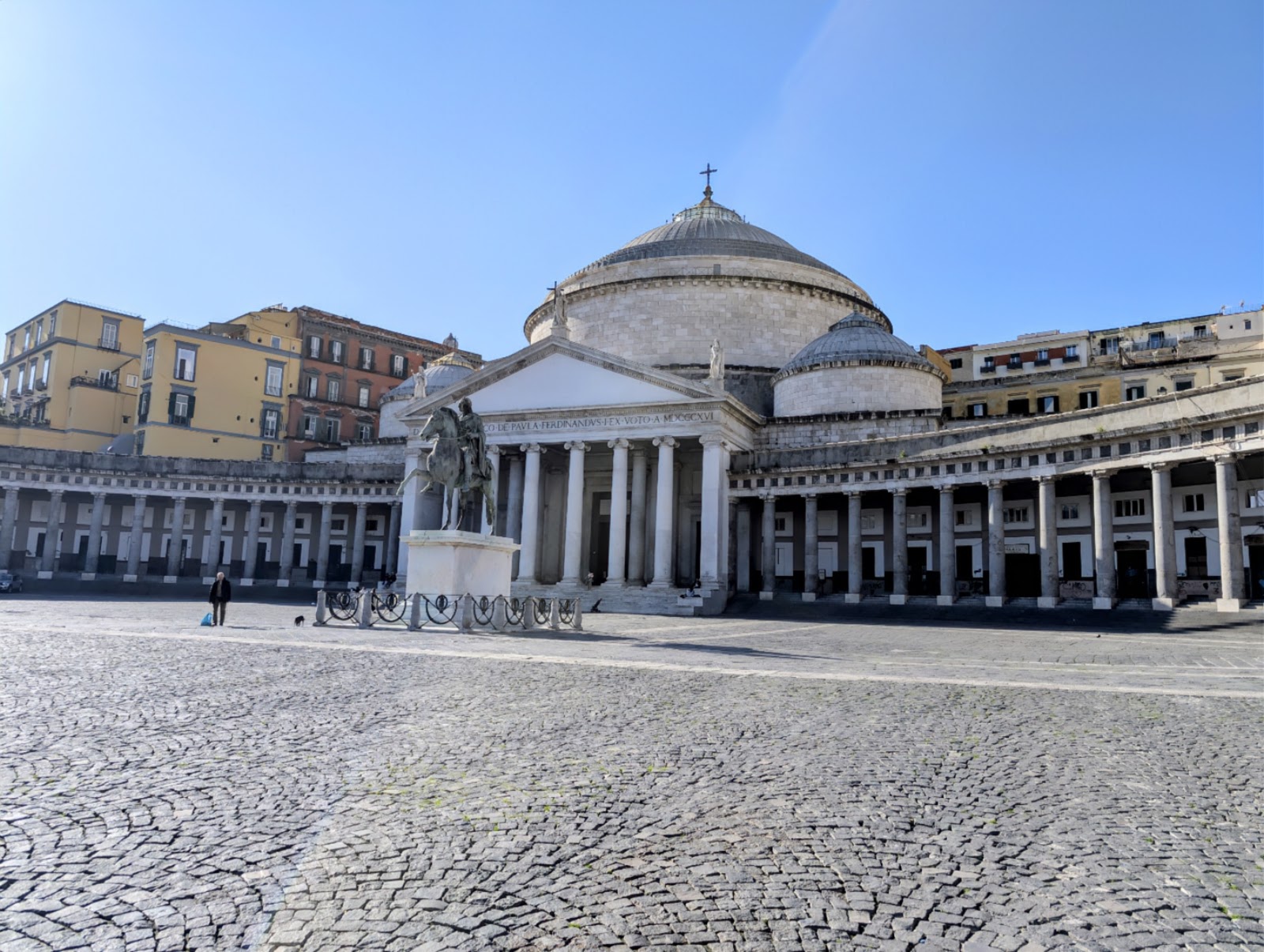
You're dead centre: Via Toledo two minutes away, Piazza del Plebiscito ten. Prices among the lowest of any central area.
The downside: streets three metres wide and steeply uphill, buildings without lifts, noise. Normal caution applies in the empty upper lanes at night.
Suits: families, anyone wanting air and quiet, or a longer stay.
Residential, orderly, partly pedestrian, and about ten degrees cooler in summer. The metro and funiculars reach the centre in minutes.
The downside: funiculars and metro close early. Coming back late usually means a taxi.
Suits: people who want to spend little and stay somewhere real.
Eighteenth-century palaces, catacombs on your doorstep, low prices, and the historic centre ten minutes away on foot. It's the neighbourhood that has changed most in the last decade, largely through local cooperatives run by people who grew up there.
The downside: everything is uphill or downhill, cars are difficult, and at night you stick to the main streets.
Suits: late arrivals, early departures, or using Naples as a base for Pompeii and the coast.
Piazza Garibaldi is the hub for everything: high-speed trains, metro, the Circumvesuviana and airport buses.
The downside: it's the least pleasant place to stay, and the area needs more attention at night. For a two-day trip, sleep elsewhere.
Suits: people who want the sea and will use taxis.
Beautiful, quiet, with the view. But far from everything and poorly connected in the evening.
Which floor, and is there a lift? A Neapolitan second floor can be as high as a fourth elsewhere.
Is the room on the courtyard? It changes the night.
Is there a partner garage? If you're driving, get the address and the route before you leave. Don't improvise inside the lanes.
This guide is written and maintained in Naples. The Italian version of the site has far more: hundreds of places, neighbourhood guides and long-form stories about the city. Read it in Italian.