Naples moves badly above ground and beautifully below it. The hard part is not the trains — it is the tickets.
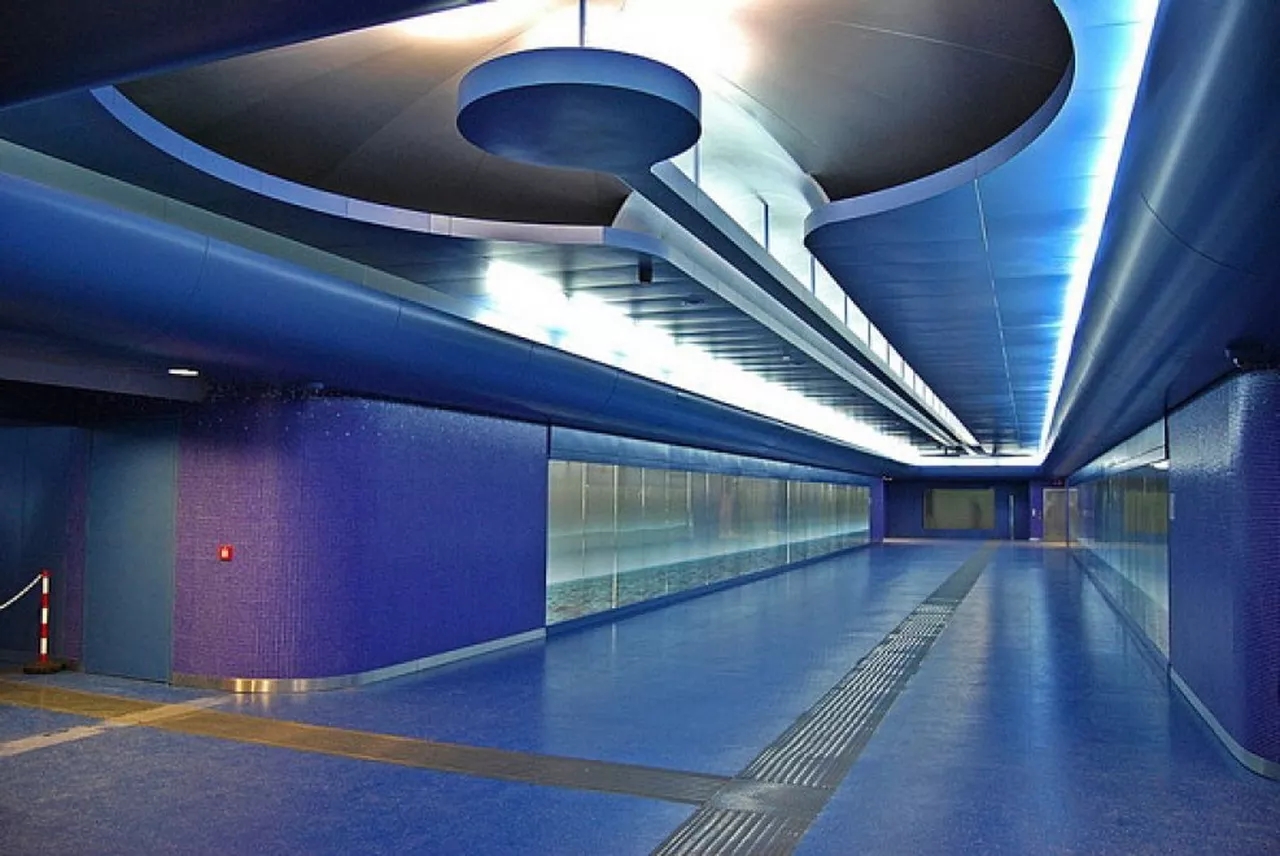
The traffic is exactly what you're imagining. Underneath, though, there's a network that gets you anywhere in twenty minutes, costs very little, and passes through some of the most striking metro stations in Europe.
Metro Line 1 — the useful one. It links the Vomero hill to the centre and the main station, calling at Toledo, Municipio, Università, Dante and Museo. These are the stazioni dell'arte, designed by contemporary artists and architects; Toledo in particular is regularly named among the most beautiful metro stations in Europe.
Metro Line 2 — actually a Trenitalia railway line. It runs from Pozzuoli to Gianturco via Mergellina, Piazza Amedeo, Montesanto, Cavour and Garibaldi.
Line 6 — short, linking Fuorigrotta to Chiaia and Municipio.
Four of them, and they solve the 200-metre climb to the Vomero: Centrale (from Via Toledo, the busiest), Chiaia, Montesanto and Mergellina.
They cost the same as an ordinary ticket and take a few minutes. The Centrale is among the most heavily used funicular railways in Europe.
Circumvesuviana — for Herculaneum, Pompeii and Sorrento, from Porta Nolana and Garibaldi. It is often crowded and not always punctual: factor that in, and keep your bag in front of you.
Cumana and Circumflegrea — for the Phlegraean Fields, Pozzuoli, Cuma and Baia, from Montesanto.
The regional system is integrated but layered, and the names of the ticket types change over time. Check current fares at the machines or on the official ANM and EAV websites — any price quoted in an old article is probably wrong.
What you need to know:
A city ticket covers metro, funiculars and buses within Naples for a limited period, with changes allowed.
A day ticket is worth it from about three journeys.
To leave the city — Pompeii, the Phlegraean Fields, Caserta — you need a higher-band ticket. Buying a city ticket and boarding the Circumvesuviana is the commonest mistake here, and the fine is real.
Always validate, funiculars included.
The metro closes early. On weekdays the last trains run around 11pm, with later services at weekends and for special events. The funiculars close even earlier.
Always check the last departure before you head up to the Vomero or out to dinner. After that you have a small number of night buses, and taxis.
There are fixed fares for the commonest routes — airport, port, station — displayed in the vehicle. Ask for the fixed fare before you set off: you're entitled to it, and it avoids arguments.
Walk. The historic centre crosses in twenty minutes on foot. Save the metro for the long jumps.
This guide is written and maintained in Naples. The Italian version of the site has far more: hundreds of places, neighbourhood guides and long-form stories about the city. Read it in Italian.